
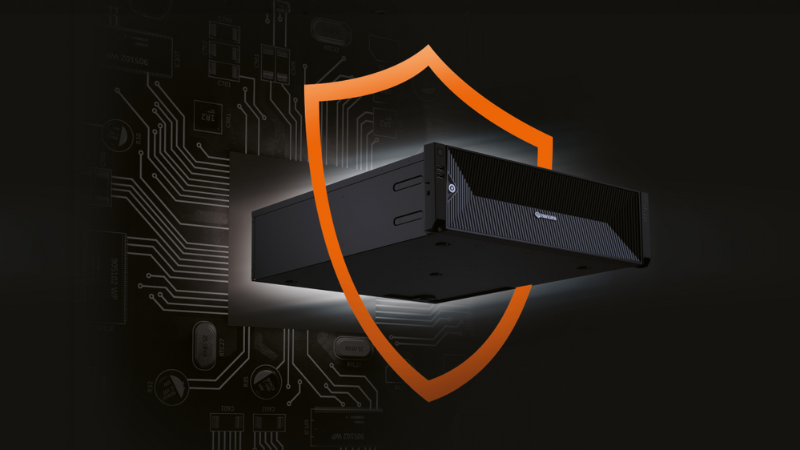
Hanwha Vision Introduces their new Advanced X Series of NVRs
DSC, a certified reseller and installer of Hanwha Vision security solutions, is excited to introduce the latest addition to our product lineup - the...
4 min read
DSC
:
September 28, 2026
It's 2 a.m. in a Houston distribution center. One person is working the dock. They go into a back stairwell, lose their footing, and don't get up.
The cameras record all of it. Most of the time, nobody sees that footage until the morning shift finds them.
That's the gap. Most commercial buildings are covered by cameras but not watched by anyone. Newer AI cameras can close part of that gap. You describe what to look for, such as "person lying on the floor," and the system sends an alert when it sees it. That works, with real limits. The camera has to cover the spot, and someone has to answer the alert.
Yes. Many current commercial cameras can spot a person lying on the ground and send an alert within seconds. Older analytics could only watch for fixed events, like a line being crossed. The newer systems let you describe a scene in plain words and watch for it live.
In our July post, You Can Now Just Ask Your Cameras What Happened, we covered how this works when you're searching footage after something has already happened. This post is about using the same technology to raise an alarm while the situation is still unfolding. For a person on the floor, that difference matters most.
Two of the camera makers DSC works with moved this from search into live alerts this year.
The practical result is simple. You no longer need a custom analytics project to watch for a person down. In many cases it's a setting you turn on for the cameras that cover the right spots.
The first few minutes decide a lot. The American Heart Association reports about 10,000 cardiac arrests in U.S. workplaces each year. It also reports that CPR, when it starts right away, can double or triple a person's chance of survival.
Not every fall is a cardiac arrest, of course. It might be a heat illness, a diabetic episode, or a bad fall from a ladder. But the pattern is the same. Being found in five minutes is very different from being found in three hours. In Houston, heat adds to the risk. OSHA notes that workers new to hot conditions face higher risk of heat illness, and many warehouses and back-of-house areas here are not air-conditioned.
A camera can't treat anyone. What it can do is shorten the time between when someone goes down and when someone else knows.
The value is highest wherever people work or spend time alone, especially at night.
This technology is useful, but it's worth being honest about where it stops.
It only sees what the camera sees. Many stairwells, storage rooms and mechanical rooms have no camera at all. Restrooms and locker rooms never should. An alert system is only as good as its coverage map.
It will send some false alerts. A person stretching on a gym floor or a worker crawling under a rack can look like a fall. Expect a tuning period of a few weeks.
Someone has to answer it. An alert sent at 2 a.m. to a phone that's on silent does nothing. This is the part most buildings skip, and it's the part that decides whether the system helps.
It doesn't replace people or procedures. It is not a medical device, a panic button or a lone-worker check-in program. It works best alongside them.
Older cameras may not support it. Some existing cameras can run these alerts through a newer recorder or server. Others will need to be replaced at the key spots. Most sites only need a handful of the right cameras, not a full rip-and-replace.
Use this list with your team or your integrator.
You don't need to cover a whole building to get most of the benefit. Start with the three or four places where someone would be alone and hard to find, and make sure every alert has a person on the other end.
If you'd like help looking at your coverage, DSC can walk your site, check what your existing cameras can do, and show you where alerts would help. Reach out to our team and we'll set up a time.
DSC, a certified reseller and installer of Hanwha Vision security solutions, is excited to introduce the latest addition to our product lineup - the...
Most commercial video systems don't fail in obvious ways. They fail quietly. The cameras still light up. The monitors still show live feeds. The...
If you run a 20-to-100-person office in Houston and you are shopping for cameras, here is the short answer: the best commercial security camera...