
How Retail Theft Rings Work in Texas & What Actually Slows Them Down
Steal to Order: How Retail Theft Rings Work in Texas — and What Actually Slows Them DownLast month, League City police wrapped up an investigation...
4 min read
DSC
:
Updated on October 5, 2026
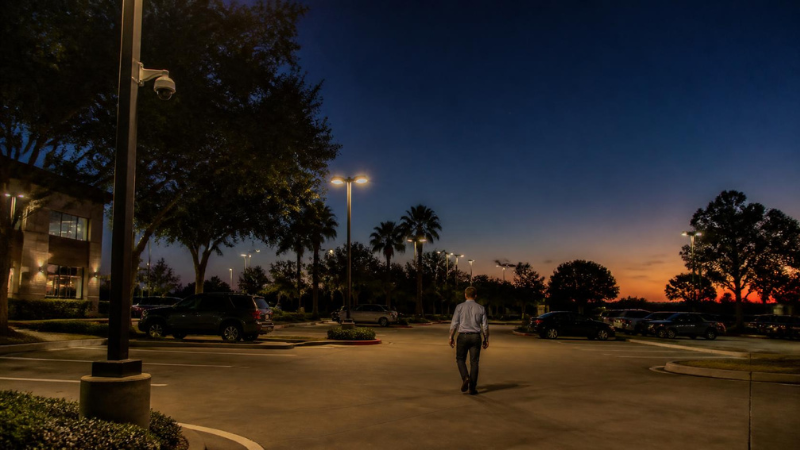
On Saturday, October 31, 2026, the sun sets in Houston at about 6:35 p.m. On Sunday, November 1, after the clocks fall back, it sets at about 5:34 p.m. By 6:00 p.m. it's dark.
Nothing about your building changes that weekend. What changes is who is outside in the dark. The employee who leaves at 5:30 walked to her car in daylight all summer. On Monday, November 2, she'll do it at dusk. The best thing you can do is walk your lot after dark before then, fix the lights, check the cameras, and give people a few simple options.
After November 1, 2026, sunset in Houston lands around 5:30 p.m., and it's fully dark about 25 minutes later. It keeps getting earlier through November. The earliest sunset of the year comes in early December, at about 5:21 p.m.
That means a normal 5:00 to 6:00 p.m. departure moves from daylight into dusk or darkness overnight. It stays that way until clocks spring forward on March 14, 2027.
Maybe, but not this year. Texas passed House Bill 1393 in June 2025 to stay on daylight saving time year-round, but it only takes effect if Congress allows it. The U.S. House passed the Sunshine Protection Act on July 14, 2026, 308 to 117. The Senate hasn't voted. For now, clocks in Houston still fall back on November 1.
Almost every building has someone. Think about who leaves between 5:00 and 7:00 p.m.
Here is the catch. Most building walk-throughs happen at 10 a.m. A lot can look fine in daylight and still have dark corners, burnt-out fixtures and cameras that can't see much at 6 p.m.
Some will and some won't. It depends on what turns them on.
Lights on a building automation system follow whatever schedule someone entered. It's worth asking who set it and when. Also look for fixtures that are out, dim or blocked by trees that grew over the summer. You'll only spot those at night.
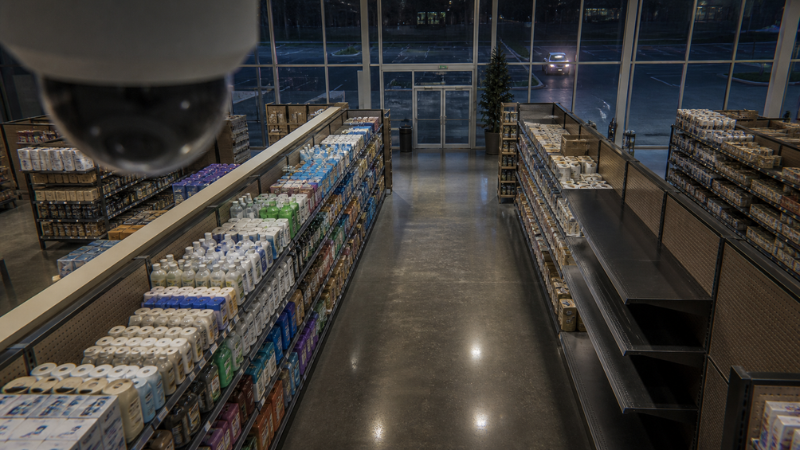
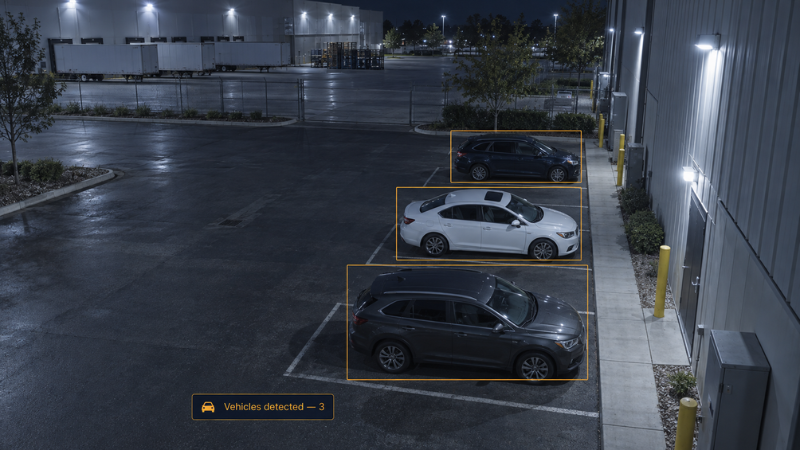
Most outdoor cameras switch from color to black-and-white infrared (IR) when the light drops. That's normal. But it changes what you can see.
Newer cameras handle low light much better, and some can keep a color picture with a small amount of white light. DSC designs and installs commercial video surveillance systems in Houston for offices, schools, medical buildings and HOAs. Part of that work is choosing cameras for the lot at 6 p.m., not just at noon. Our office camera buying guide goes deeper on picking cameras that work at night.
Cameras help after something happens. Lighting and people help before. That's an honest limit of video, and it's worth keeping in mind.
Research backs this up. A U.S. Department of Justice–funded guide on parking facility crime found that poor lighting is a known risk factor. It also found that having attendants or staff present was one of the strongest ways to prevent theft. In other words, being seen matters.
The Houston Police Department's personal safety tips say the same thing in plain terms. Park in well-lit areas. Have your keys ready. Walk with other people when you can.
A few low-cost policies go a long way:
If someone works alone late, it also helps to know someone would notice if they didn't make it to their car. Our September post on AI cameras that can detect a person who has fallen covers that after-hours gap.
Pick an evening the week of November 2, 2026, and walk your lot at about 6:15 p.m. Bring a phone and take notes.
You don't need a new system to get ready for November 1. Most of the gains come from a night walk, a timer fix and a few cameras aimed or tuned for the dark.
If you'd like a second set of eyes, DSC can walk your Houston property after dark, check what your cameras can see, and tell you what's worth fixing. Reach out to our team and we'll set up a time.
Steal to Order: How Retail Theft Rings Work in Texas — and What Actually Slows Them DownLast month, League City police wrapped up an investigation...
It's 2 a.m. in a Houston distribution center. One person is working the dock. They go into a back stairwell, lose their footing, and don't get up.
Most buildings rely on systems that were installed years ago—sometimes decades ago. Fire alarms, cameras, access control panels, intercoms, intrusion...