5 Warning Signs a System Is Headed for Failure
Most system failures don’t happen all at once.
Most buildings don’t ignore their systems on purpose.
What usually happens is simpler than that. Things are busy. The system is working. Nothing feels urgent. So attention goes elsewhere.
A system checkup isn’t meant to interrupt that rhythm. It’s meant to quietly answer a few practical questions before small uncertainties turn into bigger ones.
At its core, a checkup is not an inspection, an audit, or a sales exercise. It’s a way to understand what you have, how it’s aging, and what deserves attention—now or later.
Here are four things a system checkup can typically tell you.
One of the most helpful outcomes of a checkup is separating systems that are truly healthy from those that are simply still operating.
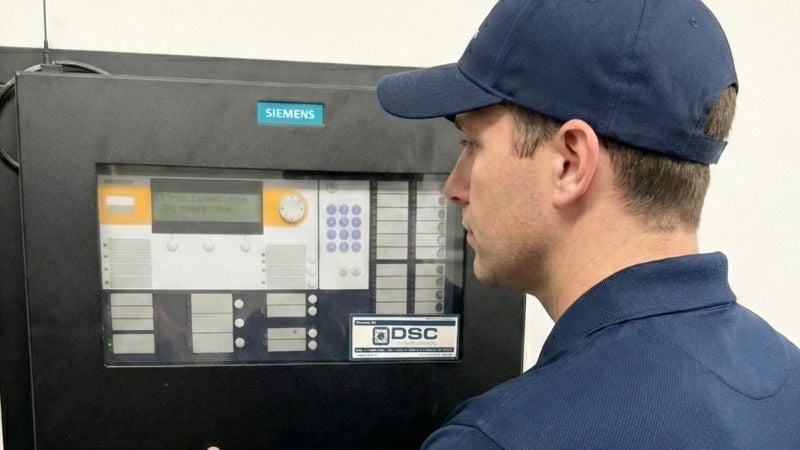
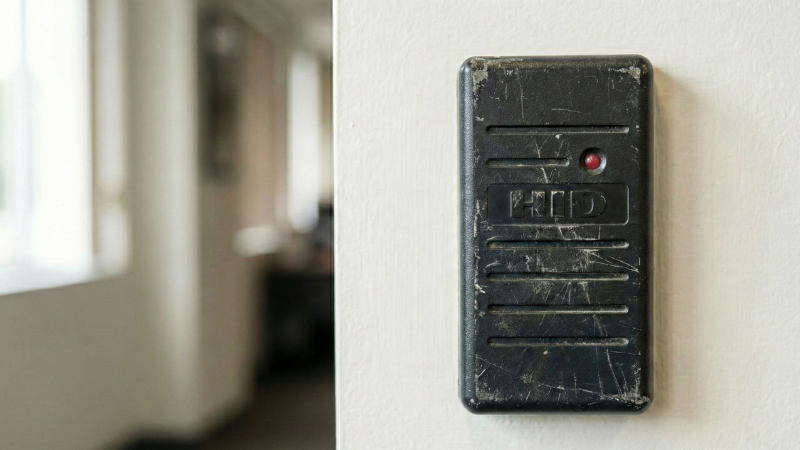
Many systems continue to function long after their ideal service life. A fire alarm panel may still communicate properly. Cameras may still record video. Access control readers may still unlock doors. On the surface, everything appears fine.
A closer look often reveals a more nuanced picture.
Sometimes a system is working, but:
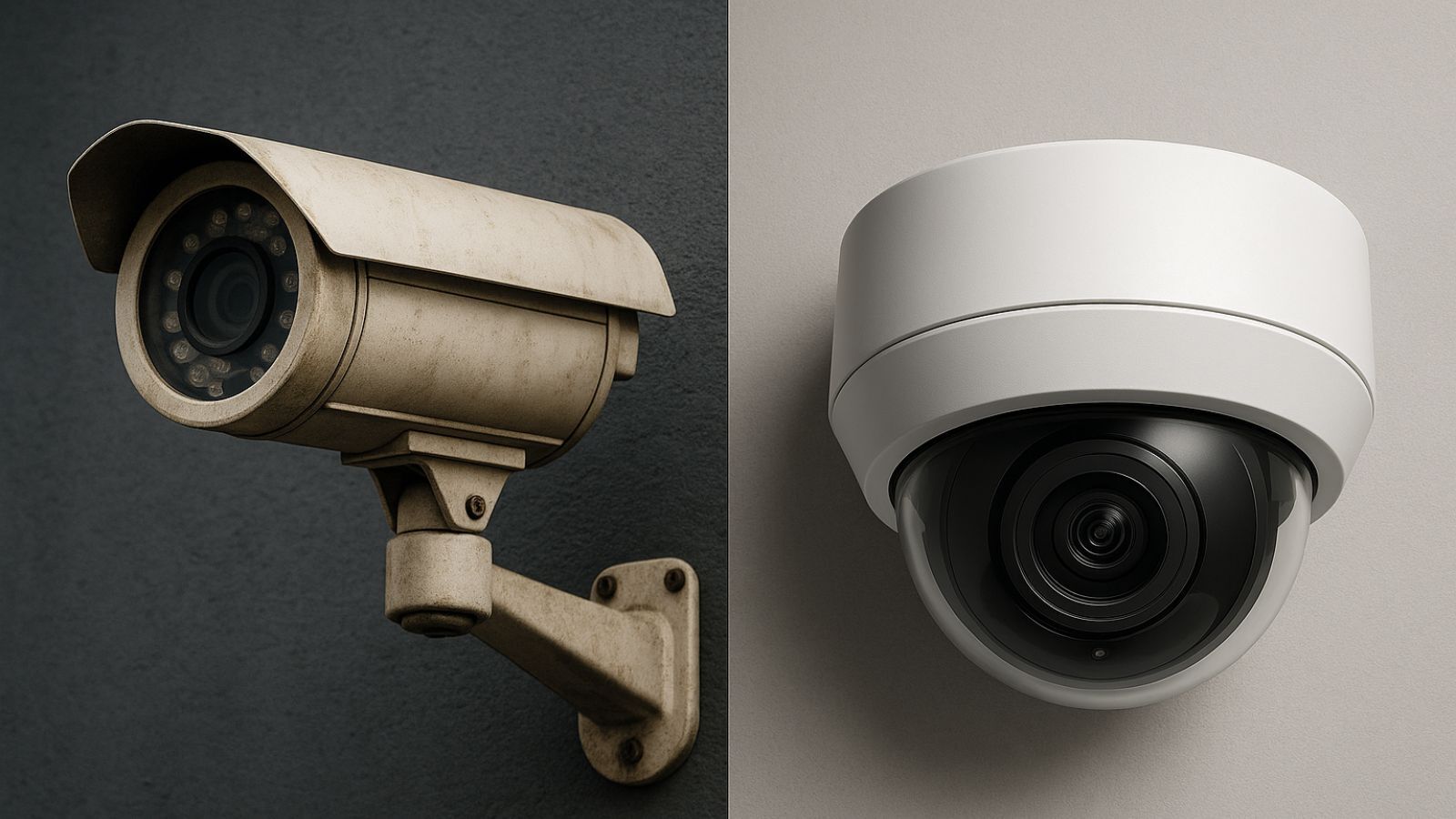
For example, a video surveillance system may still capture footage, but struggle in low light or produce video that’s difficult to review when it matters. An access control system may function day to day, but respond slowly or intermittently.
A checkup helps identify which systems are solid, which ones are stretched thin, and which ones may be approaching a natural transition point.
The goal isn’t to label anything as “good” or “bad.” It’s simply to understand where things stand.
Most system failures don’t happen without warning.
They tend to follow patterns—subtle ones at first. A device drops offline occasionally. A communication fault clears itself. A speaker crackles but still works. A cable shows wear but hasn’t failed.
During a checkup, these early signs are often easier to spot because someone is looking with fresh eyes and experience across many similar systems.
Common examples include:
None of these mean immediate failure. But they do tend to follow predictable paths if left alone.
A checkup helps answer an important question:
Is this something we can monitor, or is it something that’s likely to create disruption later?
That clarity allows planning instead of reacting.
Age by itself isn’t usually the problem.
Supportability is.
A system checkup often uncovers components that are still operating but have quietly reached the end of their supported life. Manufacturers move on. Software updates stop. Replacement parts become scarce. Compatibility with newer devices becomes limited.
This can show up across many system types:
When something eventually fails, the challenge isn’t just fixing it—it’s finding a viable path forward under pressure.
Knowing what’s out of date ahead of time gives you options. It allows conversations to happen on your timeline, not during an outage or inspection issue.
A checkup doesn’t automatically mean replacement. Often it simply means awareness.
This is where a system checkup provides the most value.
A good review doesn’t end with a list of problems. It ends with context.
That context usually includes:
Most importantly, it provides options.
Not every issue needs immediate action. Not every system needs a full overhaul. In many cases, thoughtful planning over time reduces cost, disruption, and stress.
A checkup should leave you feeling more informed—not cornered.
It should help you understand what’s essential, what’s optional, and what can be planned gradually.
There’s a common hesitation around having systems reviewed.
People worry it will lead to pressure, unexpected recommendations, or decisions they aren’t ready to make.
In reality, a well-handled checkup is simply a way to replace uncertainty with information.
It gives you a clearer picture of where things stand today and what the next few years might look like—without forcing action.
If you’d like us to take a look and walk through what a checkup would show in your building, give us a call at (713) 464-8407 - or send us a message through the linked form.
Most system failures don’t happen all at once.
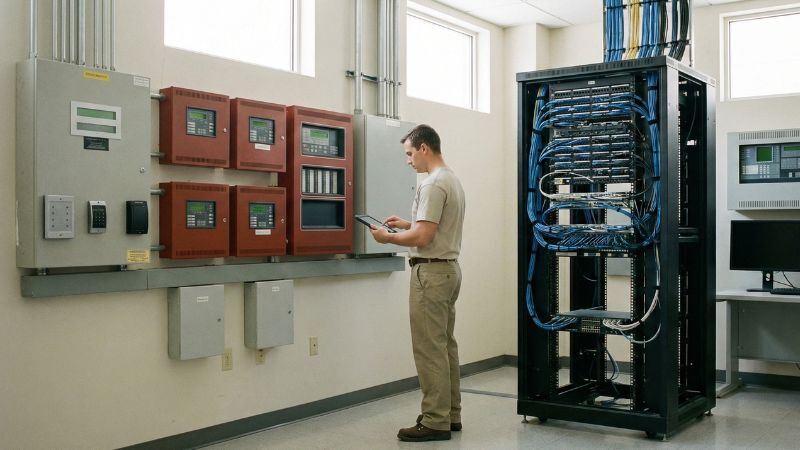
Most buildings rely on systems that were installed years ago—sometimes decades ago. Fire alarms, cameras, access control panels, intercoms, intrusion...
In 2019, fire-related property loss costs exceeded 37 million dollars in the United States alone.