2 min read
The Security Realities Most Houses of Worship Aren't Talking About
DSC
:
Updated on March 18, 2026
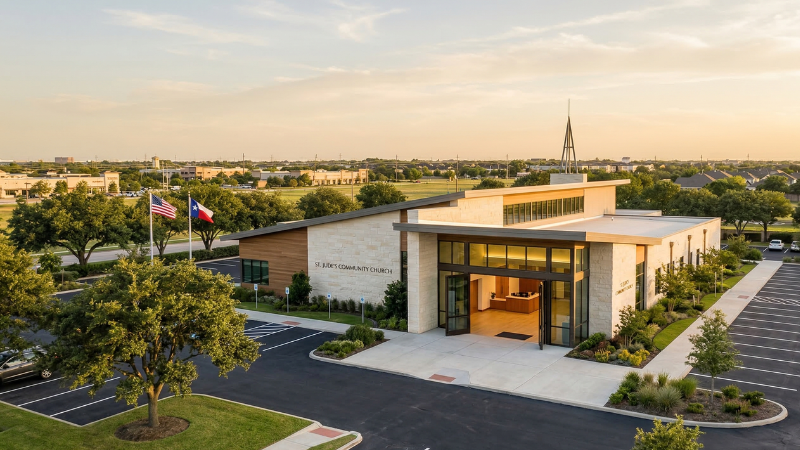
Your doors are open on purpose. That's the whole point. A house of worship is supposed to be the place where anyone can walk in and be welcomed — no appointment, no screening, no barriers. That openness is one of the most important things about what you do.
It also creates a security reality that most leaders carry quietly and few talk about openly.
Not because they haven't thought about it. But because the conversation itself feels complicated in ways that don't apply to other types of facilities. A corporate office can badge every visitor. A school can lock every entrance during the day. A house of worship can't do either of those things during services without fundamentally changing what it means to walk through the door.
So the gaps stay. Not out of negligence — out of tension between what a facility is designed to be and what the current environment demands of it.
Those gaps tend to look the same from one congregation to the next.
The doors are open — and there's no practical way to change that during gatherings. Access control works well for offices, weekday operations, and after-hours security. But during a service or event — when the building is most full and most vulnerable — the doors have to be open. Visitor screening isn't realistic when hundreds of people are arriving in a fifteen-minute window. So the moment when security matters most is the moment when the least amount of it is in place.
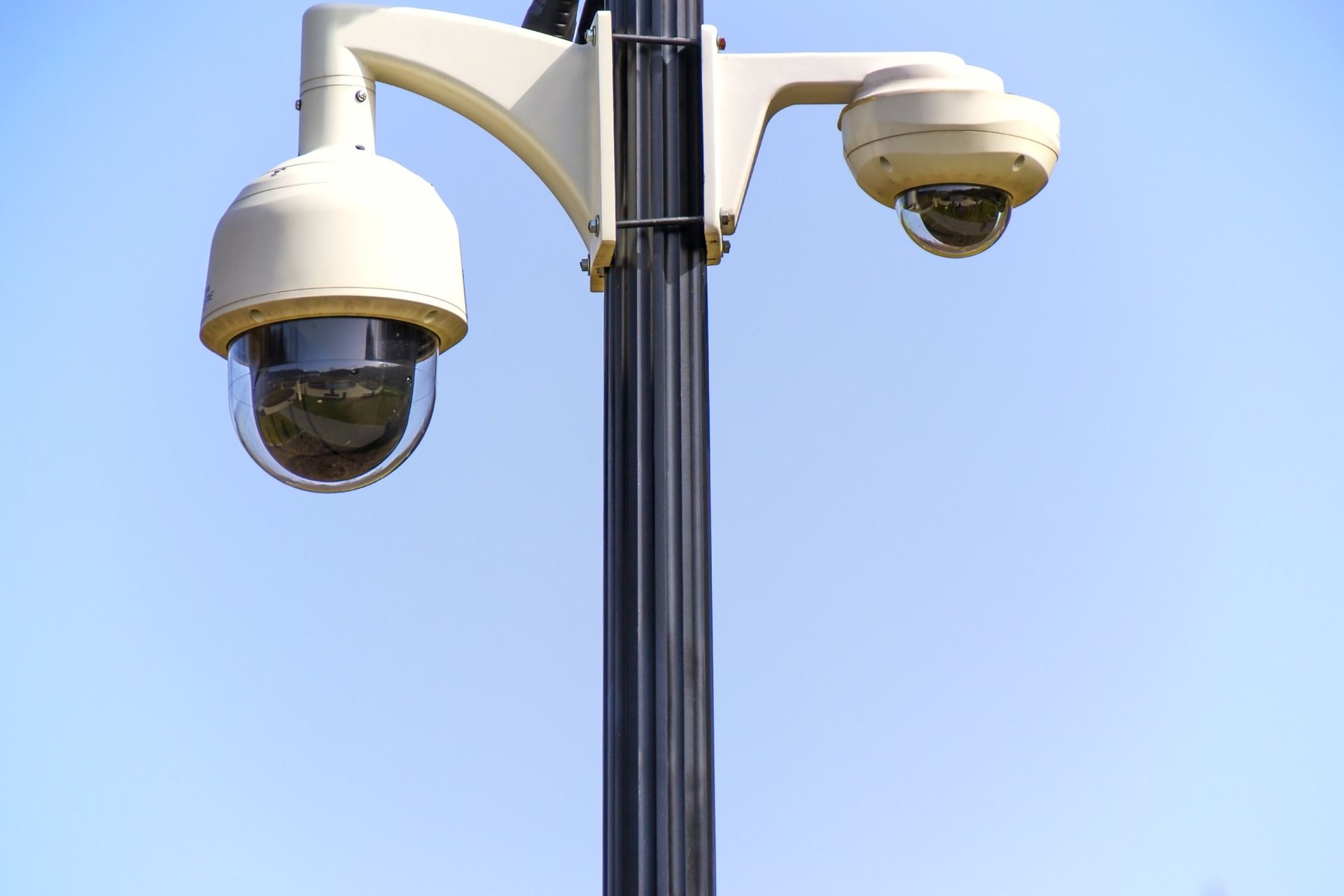
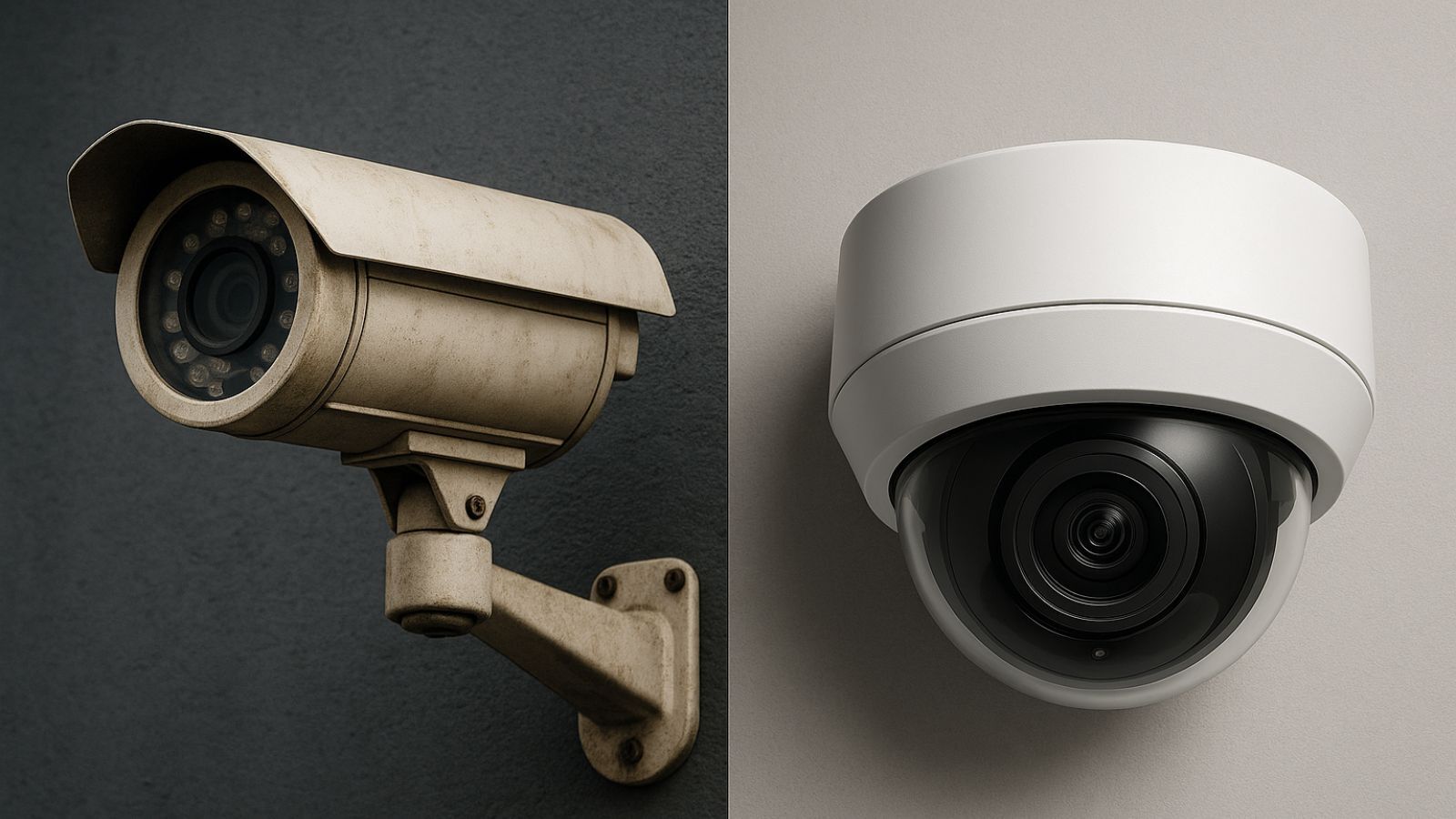
Video cameras exist, but nobody's watching. Many houses of worship have invested in cameras at some point. But a camera without someone monitoring it in real time is a recording device, not a security measure. It helps with investigation after an incident. It doesn't help prevent one or respond to one in progress. And most congregations don't have the staffing or infrastructure to actively monitor feeds during services.
Safety procedures are rarely communicated — and almost never practiced. This is one of the most difficult realities to address. Running a fire drill at a school is expected. Running any kind of emergency preparedness exercise at a house of worship feels like it contradicts the very atmosphere of peace and trust that the community comes there to experience. So the procedures, if they exist at all, tend to live in a binder in someone's office. The people who would need to act on them have never rehearsed them.
Campus-wide communication is largely absent. If something were to happen in one part of a facility, how would the rest of the campus know? Most houses of worship don't have paging systems, intercoms, or digital signage that could be used for emergency communication. Wings, buildings, children's areas, and parking lots operate in isolation from one another. A threat in one area could go unrecognized in another for critical minutes.
Members wouldn't know what to do. This may be the most sobering reality of all. If a threat materialized during a service, the vast majority of people in the room would have no frame of reference for how to respond. Not because they're unprepared as individuals, but because no one has ever told them what to do in that specific environment. There's no signage, no briefing, no shared understanding of exits, rally points, or protocols.
None of this is an indictment. Every one of these gaps exists because houses of worship are doing exactly what they're supposed to do — creating open, welcoming, peaceful environments on limited resources. The gaps are a byproduct of the mission, not a failure of leadership.
But they're real. And in the current environment, they're worth thinking about honestly.
If any of this sounds familiar — if you've been carrying these questions quietly and wondering where to start — that's a conversation worth having. Not a sales conversation. Just an honest one about where you are, what's realistic, and what options exist that you may not have considered.
DSC has worked with houses of worship across Southeast Texas for nearly 50 years. We understand that every facility is different, every budget is different, and every community has its own priorities. If you'd like to think through it with someone who's been in this space for a long time, we're here.