4 min read

How to Plan System Upgrades Without Disrupting Your Budget

How to Plan System Upgrades Without Disrupting Your Budget

Most organizations don’t avoid upgrades because they don’t care.

They avoid them because upgrades feel large, unpredictable, and expensive. They feel like projects that start small and grow. They feel like capital requests that are hard to time and harder to explain.

So the default becomes simple: if it’s still working, leave it alone.

The problem isn’t neglect. It’s uncertainty.

The good news is that system modernization does not have to be a capital shock. It can be planned the same way roofs, HVAC systems, and fleet vehicles are planned — gradually, intentionally, and with clear timelines.

When upgrades are phased properly, they stop feeling disruptive and start feeling manageable.


Why Upgrades Feel Disruptive


There are a few reasons system upgrades tend to create tension.

First, the cost often feels unclear. Without a clear picture of what needs attention and when, every conversation feels like it might uncover something larger.

Second, there’s concern about downtime. No one wants to interrupt daily operations for something that doesn’t feel urgent.

Third, there’s the fear of opening a bigger project. Replacing one component can sometimes reveal compatibility issues or infrastructure limitations. That possibility alone is enough to delay action.

All of this is understandable.

But most disruption doesn’t come from upgrades themselves. It comes from upgrades that were delayed until there was no flexibility left in the timeline.

When planning hasn’t happened gradually, change feels sudden.


Most Systems Don’t Expire All at Once


One of the most helpful things to understand about building systems is that they rarely age evenly.

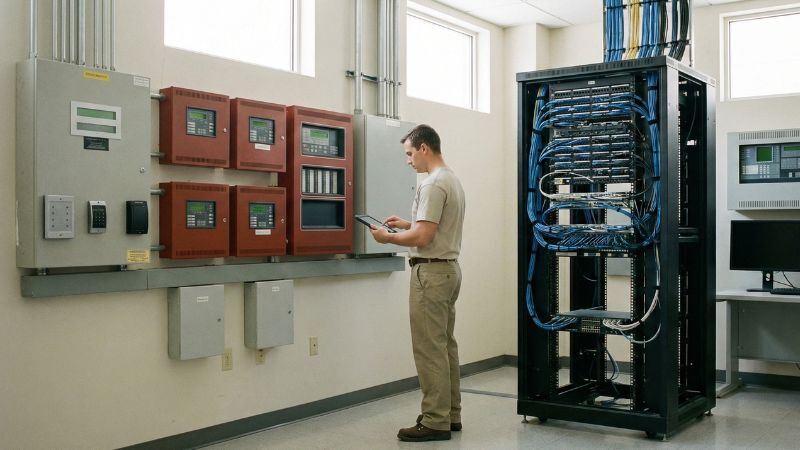
A fire alarm control panel may reach the end of its supported life before every device connected to it needs replacement. The initiating devices and notification appliances may still function reliably for years.

Access control systems often show wear at the door level first. Readers and locking hardware may begin to fail before the head-end software requires attention. In other cases, software support ends while the field hardware remains stable.

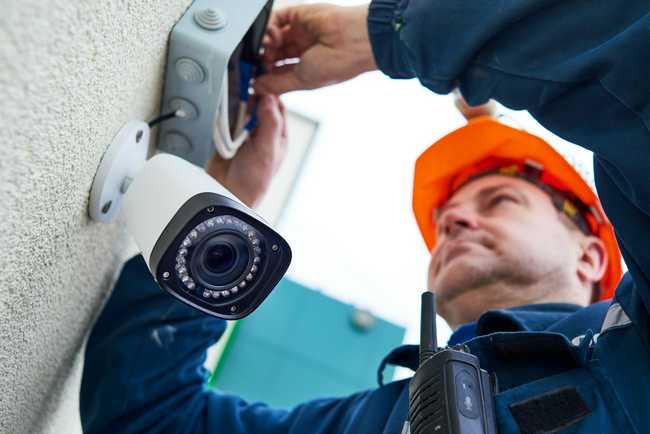
Video surveillance systems age in layers. Cameras may lose clarity or struggle in low-light conditions long before recorders stop functioning. Storage capacity can become insufficient even when the cameras themselves still operate.

Data cabling is similar. Infrastructure installed years ago may technically function, but it can limit bandwidth, device performance, or future expansion. The cable may not “fail,” but it quietly constrains the building.

Paging and intercom systems often degrade in specific zones. Audio becomes inconsistent in certain areas while other portions of the system remain clear.

The pattern is consistent: aging is uneven.

And that uneven aging is what makes phased planning possible.

If every system component failed at the same time, budgeting would always be disruptive. But because systems age in layers, upgrades can be prioritized in layers as well.


A Simple Way to Prioritize


Planning becomes easier when decisions follow a steady framework.

There are three practical lenses that help determine what should move first.

The first is life safety impact. Components that directly affect occupant notification, emergency communication, or code compliance naturally rise to the top. Even if they are still functioning, support status and reliability matter.

The second is operational inconvenience. Systems that create repeated service calls, inconsistent performance, or staff workarounds may not be critical from a compliance standpoint, but they quietly cost time and attention every week.

The third is manufacturer support status. When parts are discontinued or firmware is no longer supported, the risk profile changes. It becomes harder to source replacements and more difficult to predict repair timelines. Even a stable system becomes fragile when support disappears.

Viewed through these lenses, modernization stops being abstract. It becomes structured.

Not everything needs to move at once. But some things deserve to move sooner than others.


What Phased Modernization Looks Like


Phased upgrades are less dramatic than many expect.

In some cases, it means replacing a fire alarm control panel while retaining field devices that are still within their useful life. This preserves investment while updating the core of the system.

In access control environments, it may involve upgrading management software and server infrastructure first, then replacing door hardware in stages — by building, floor, or priority level.

With video surveillance, cameras can be replaced gradually as performance declines, rather than waiting for a full system failure. Storage capacity can be expanded independently when retention needs grow.

Paging and intercom systems can be modernized zone by zone, improving audio clarity in high-use areas first.

Cabling improvements often align naturally with other scheduled work. Renovations, tenant improvements, or infrastructure projects provide opportunities to upgrade backbone cabling without standalone disruption.

The common thread is alignment.

Modernization follows the rhythm of the building instead of interrupting it.


Budget Predictability Changes the Conversation


When system upgrades are planned over a multi-year horizon, the tone of decision-making shifts.

Budgets become smoother. Instead of a single unexpected capital request, there is a sequence of manageable investments.

Downtime becomes controlled. Work can be scheduled during low-impact windows rather than emergency response periods.

Vendor selection becomes thoughtful. Decisions are made with clarity instead of urgency.

And stress levels drop. Leadership is no longer reacting to failure. They are executing a plan.

By contrast, reactive upgrades narrow options. Costs rise because timelines shrink. Equipment choices become limited by availability rather than strategy.

The difference isn’t technical. It’s procedural.

Predictability is what reduces disruption.

Planning Does Not Require Immediate Commitment


One of the biggest misconceptions about modernization is that talking about it automatically commits you to it.

It doesn’t.

Planning is simply about clarity.

It’s about understanding what you have, how it’s aging, where support timelines stand, and what a reasonable multi-year path might look like.

In many cases, the outcome of a planning conversation is confirmation that certain systems can remain in place longer than expected. In other cases, it identifies areas that deserve earlier attention.

Either result is helpful.

The goal isn’t to accelerate spending. It’s to eliminate surprises.

When upgrades are part of a steady lifecycle conversation, they feel measured and intentional. They become another part of responsible facility stewardship rather than a disruptive event.

If you’d like to schedule a quote, service visit, or simply start a planning conversation, give us a call at 713-464-8407, send a message to outreach@thinkdsc.com, or reach out through our contact page at https://www.thinkdsc.com/contact-us.

What it Means to be

What it Means to be "Licensed, Bonded, & Insured"

Have you heard the terms ‘licensed, bonded, and insured’ before but just don’t know what they are?

Read More
4 Things a System Checkup Can Tell You

4 Things a System Checkup Can Tell You

Understanding What a System Checkup Really Tells You Most buildings don’t ignore their systems on purpose.

Read More
How to Know When Your Safety Systems Need an Upgrade

How to Know When Your Safety Systems Need an Upgrade

Most buildings rely on systems that were installed years ago—sometimes decades ago. Fire alarms, cameras, access control panels, intercoms, intrusion...

Read More